 EN
EN ZH
ZH PT
PT DE
DE ES
ES FR
FR IT
IT RU
RU JA
JA KO
KO
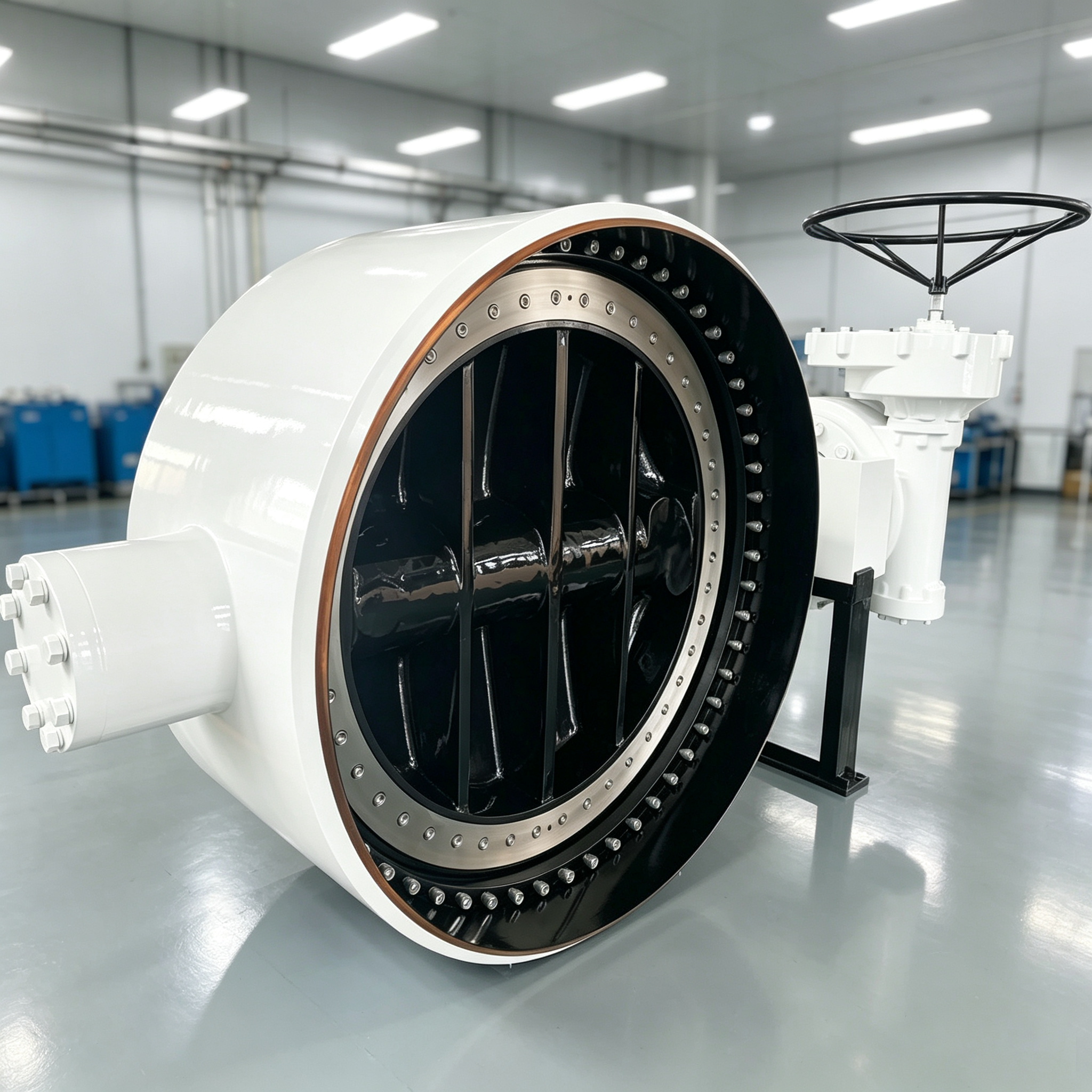
In demanding industrial applications, butterfly valve failure can lead to unplanned shutdowns, costly maintenance, and production losses. For engineers, EPC contractors, distributors, and procurement managers, choosing the right metal seated butterfly valve is essential for reliable pipeline operation.
But how can you prevent leakage, ensure reliable high-temperature performance, and avoid actuator problems?
SHIELD explores the key technical considerations below.
1. What Is a Metal Seated Butterfly Valve?
A metal seated butterfly valve, also known as a hard seal butterfly valve, uses metal sealing surfaces between the disc and seat instead of a conventional elastomeric seat.
Compared with resilient seated designs, metal seated valves can be suitable for selected high-temperature applications and demanding operating conditions.
Typical applications include:
- Oil and gas processing
- Chemical and petrochemical plants
- Power generation and selected steam services
- High-temperature industrial pipelines
- Selected abrasive or demanding process applications
Triple-offset butterfly valves are commonly considered for demanding metal-to-metal sealing applications because their geometry helps minimize rubbing between the disc and seat during operation.
However, the suitability of any valve depends on its design, materials, pressure-temperature ratings, and actual process conditions.
2. Why Does a Hard Seal Butterfly Valve Leak?
Leakage is one of the most common concerns among industrial valve buyers. Even a valve that passes its factory test may experience leakage after installation or during service.
Common causes include:
- Damaged or contaminated sealing surfaces
- Incorrect disc-to-seat alignment
- Thermal expansion and deformation
- Improper actuator travel-stop settings
- Excessive differential pressure
- Wear caused by frequent operation or unsuitable media
How to reduce leakage risk
Specify the required leakage acceptance criteria before ordering. Confirm the applicable testing standard, test medium, pressure conditions, and acceptance limits.
For example, ISO 5208 defines pressure-testing procedures and leakage-rate criteria for applicable metallic valves. The required leakage performance must be agreed upon for the specific application.
Do not assume that every metal seated butterfly valve provides zero leakage. Actual shutoff performance depends on the design, manufacturing quality, operating conditions, and verified test results.
3. Can Metal Seated Butterfly Valves Handle High Temperatures?
High-temperature service is a major reason for selecting metal seated butterfly valves. Unlike elastomeric seats, metal sealing surfaces are not subject to the same temperature-related limitations as conventional rubber seats.
However, the metal seat alone does not determine the maximum operating temperature of the complete valve.
Before selecting a valve, confirm:
- Normal and maximum operating temperatures
- Design pressure at the operating temperature
- Thermal cycling during startup and shutdown
- Compatibility of body, disc, shaft, packing, and gasket materials
- Actuator and accessory temperature limitations
Triple-offset metal seated butterfly valves are often considered for demanding high-temperature isolation applications. Nevertheless, the manufacturer’s documented operating limits must be checked before purchase.
4. How Can You Prevent Excessive Operating Torque?
Excessive torque can cause actuator failure, incomplete closure, and premature component wear.
Possible causes include incorrect actuator sizing, excessive packing friction, foreign material, shaft misalignment, thermal effects, and high differential pressure.
To select the correct actuator, evaluate:
- Valve breakaway and running torque
- Required seating torque
- Maximum differential pressure
- Operating temperature and cycle frequency
- Available electrical power or pneumatic supply
- The actuator manufacturer’s sizing recommendations
Selecting an actuator based only on nominal valve size is insufficient. Proper sizing and commissioning help improve operating reliability and reduce unnecessary maintenance.
5. Is a Metal Seated Butterfly Valve Suitable for Abrasive or Corrosive Media?
Metal seating can be suitable for certain demanding media, but it does not automatically guarantee resistance to abrasion or corrosion.
Solid particles can damage sealing surfaces, while corrosive chemicals may attack the body, disc, shaft, or seat materials.
For abrasive service, consider particle size, hardness, concentration, and flow velocity.
For corrosive service, evaluate the fluid composition, temperature, concentration, and compatibility of all wetted materials.
Depending on the application, stainless steel, corrosion-resistant alloys, or suitable hardfacing materials may be considered. Material selection should always be based on actual service conditions.
6. Hard Seal vs. Soft Seal Butterfly Valves
| Factor | Metal Seated | Soft Seated |
|---|---|---|
| Sealing surface | Metal | Elastomer or polymer |
| High-temperature service | Suitable within specified limits | Limited by seat material |
| Tight shutoff | Depends on design and test criteria | Often excellent in suitable service |
| Abrasive media | Application-dependent | Seat damage may be a concern |
| Typical priority | Demanding temperature and process conditions | General utility and compatible media |
Neither design is universally better. A resilient seated butterfly valve may be more economical for water and HVAC systems, while a metal seated design may be preferable for certain high-temperature or demanding industrial applications.
The correct choice depends on the operating conditions and required shutoff performance.
7. What Should Buyers Check Before Ordering?
To reduce selection errors and unexpected costs, provide the following information when requesting a quotation:
- Valve size and connection type
- Design pressure and operating temperature
- Process medium and relevant contaminants
- Required leakage acceptance criteria
- Body, disc, shaft, and seat material requirements
- Manual, electric, pneumatic, or hydraulic operation
- Applicable design and testing standards
- Required inspection documents and certificates
A complete technical specification helps manufacturers evaluate the application accurately and reduces the risk of mismatched materials, incorrect actuation, and unsuitable operating limits.
Why Choose SHIELD for Industrial Valve Solutions?
Selecting an industrial valve should involve more than comparing purchase prices. The right decision considers operating conditions, sealing requirements, material compatibility, actuator sizing, and long-term maintenance costs.
SHIELD supplies industrial valves and pipe fittings for international B2B markets. We encourage buyers to define their actual process conditions and technical requirements before selecting a valve configuration.
Looking for a suitable metal seated butterfly valve for your project?
Visit www.shieldvalves.com to explore our industrial valve solutions or contact our team with your valve size, pressure, temperature, medium, and leakage requirements.
Frequently Asked Questions
Can a metal seated butterfly valve achieve zero leakage?
Some designs can meet stringent leakage requirements under specified test conditions. Always confirm the applicable standard and acceptance criteria.
Are metal seated butterfly valves suitable for steam?
Some designs are suitable for specified steam applications. Confirm pressure-temperature limits, materials, packing, and service conditions.
How can I extend butterfly valve service life?
Use suitable materials, verify actuator sizing, follow installation instructions, prevent contamination, and perform maintenance according to the operating conditions.
About SHIELD: Industrial valves and pipe fittings for international customers. Visit www.shieldvalves.com for product information and technical enquiries.